

Seasonal
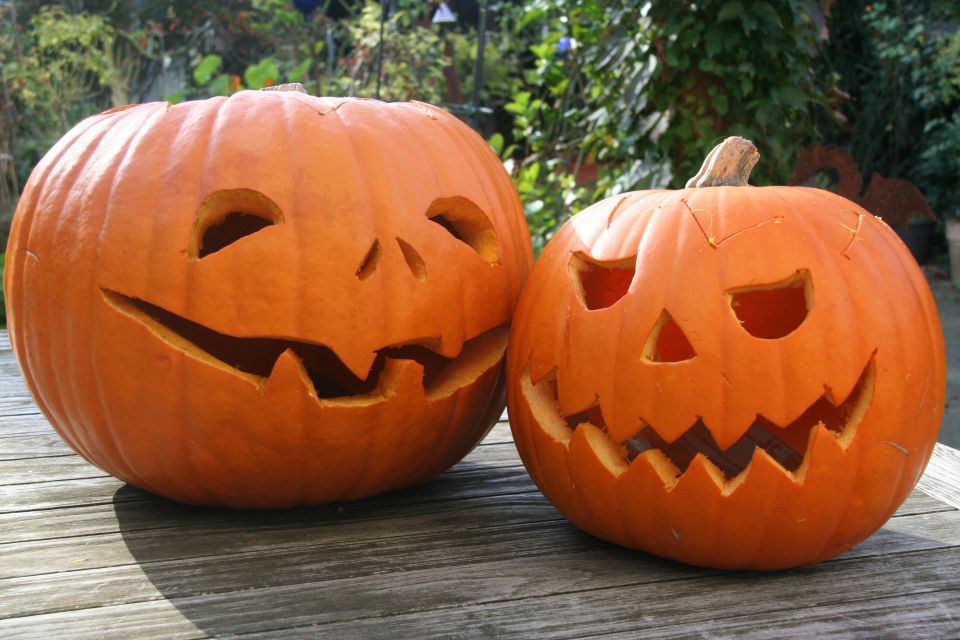
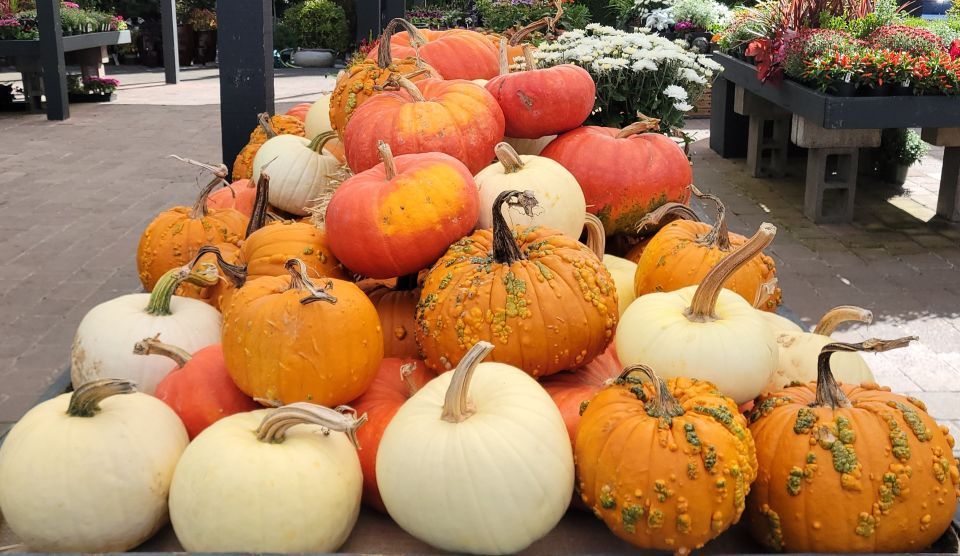
A Brief History Of Pumpkin Carving
The tradition of carving pumpkins traces its roots to Ireland and
Scotland, where people originally carved frightening faces into
root vegetables such as turnips, beets, and potatoes to ward off
evil spirits. During the 19th century, millions of Irish and Scottish
immigrants crossed the Atlantic, particularly during and after the
Great Potato Famine of the 1840s, bringing their autumn folklore
and traditions with them. In North America, they encountered a
native winter squash that was larger, softer, and far easier to hollow
out and carve than the root vegetables they had traditionally used:
the pumpkin. By the late 19th and early 20th centuries, pumpkin
carving had largely replaced turnip carving in America, evolving
from a protective talisman into a festive family tradition
and becoming an enduring symbol of Halloween.

Colorful Berries For Fall And Winter
As we slip into autumn and the leaner months ahead in the
garden, it’s good to remember that many plants offer colorful
berries that can enhance the beauty of our landscapes
while providing an important food source for our feathered
friends. There are many natives, as well as ornamental varieties,
to choose from that offer both form and function. Here are
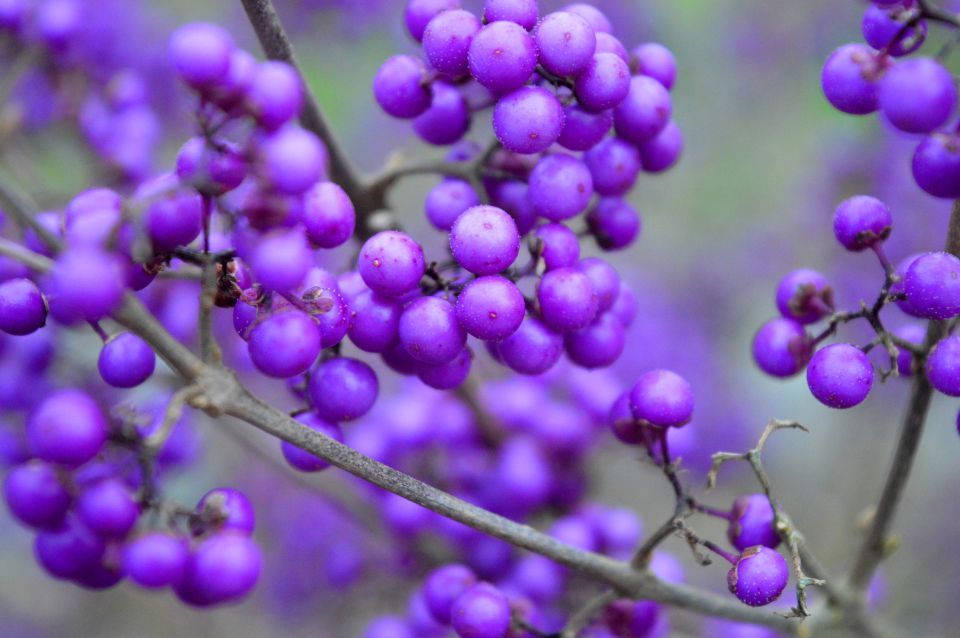
a few of our favorites. Callicarpa, or Beautyberry, is an easy
and forgiving shrub that is often overlooked in the landscape.
Native to parts of Asia, it has a quiet presence in the garden
throughout spring and summer, but come fall and winter, it
shines with a spectacular crop of violet-purple berries that
birds find irresistible. Another great food source for birds
is Mahonia, both native and non-native varieties. Commonly
called Oregon Grape, Mahonia includes Asian cultivars that
are particularly striking, with tall, upright forms and golden
flowers followed by powdery blue berries. The variety ‘Charity’
is a wonderful example that our avian friends love. The third berry
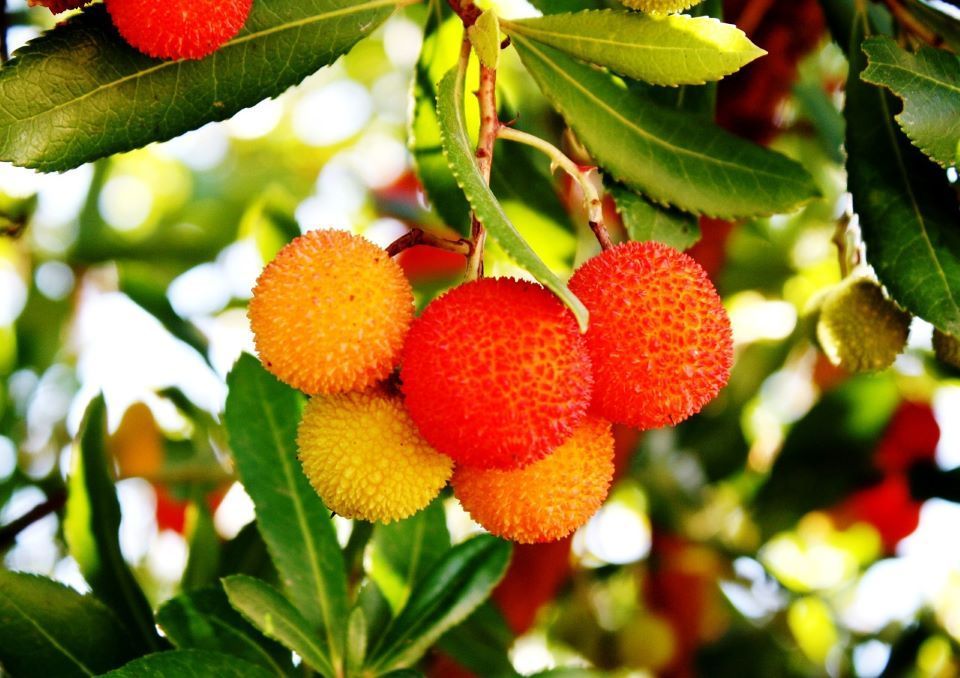
pictured is the fruit of Arbutus unedo, or Strawberry Tree. These
European natives resemble our own Pacific Madrone (Arbutus
menziesii), but on a much smaller scale. Their white, bell-shaped
flowers and handsome, waxy leaves somewhat hide the developing
green fruit, which gradually turns a bright orange in winter.
Because the fruit takes a full year to ripen, it’s not unusual to see
green and ripe fruits overlapping on the plant. The ‘Compacta’
variety is by far the most widely planted in landscapes throughout
the Puget Sound region, thanks to its denser, more compact habit
compared with the species. Come in and speak with our staff
about adding one of these striking and versatile
shrubs to your garden today!
The Arrival Of Fall
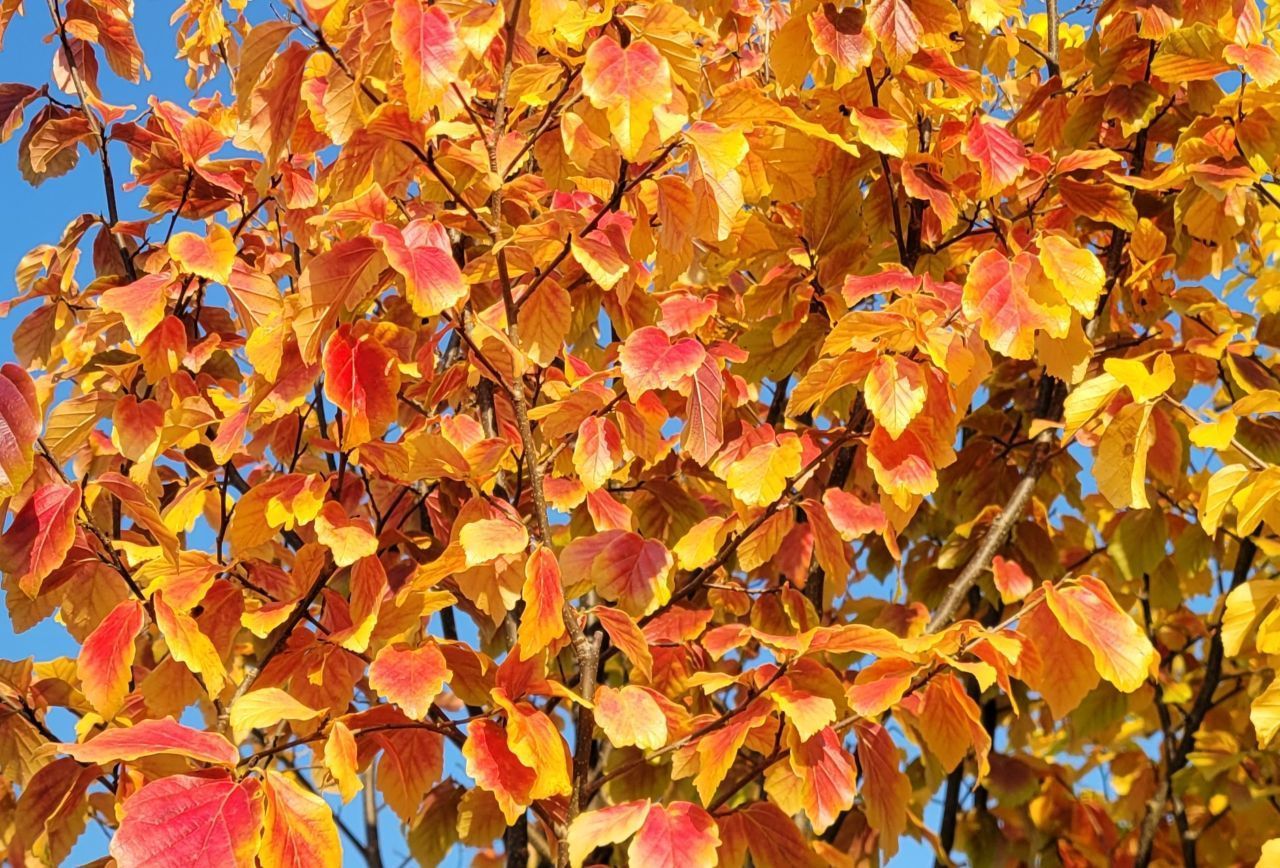
It's a great time for planting perennials, trees, and shrubs. Cool, wet, mild
weather in the fall creates the perfect conditions for plants to set down their
roots and settle into their new home. During autumn, plants begin to slow
their growing process and go into dormancy, and this gentle weather reduces
transplant stress, which in turn assists your plants in acclimating to their new
environment, giving them extra time to get established and grow a strong root
system before the warm weather returns in spring. Whether you are creating
a new landscape or dividing and transplanting your existing plants, fall is a
great time to assess your garden and make the changes that you have been
longing for. When planting in early fall, it is important to water your newly
planted trees and shrubs in the landscape until the heavy, soaking rains begin.
Visit the scenic Snohomish Valley to see the colors at the nursery and talk to
our staff about making fall additions to the garden.

Japanese Maples
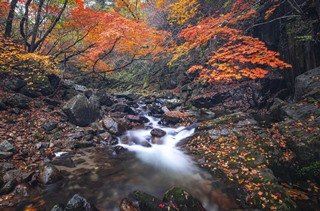
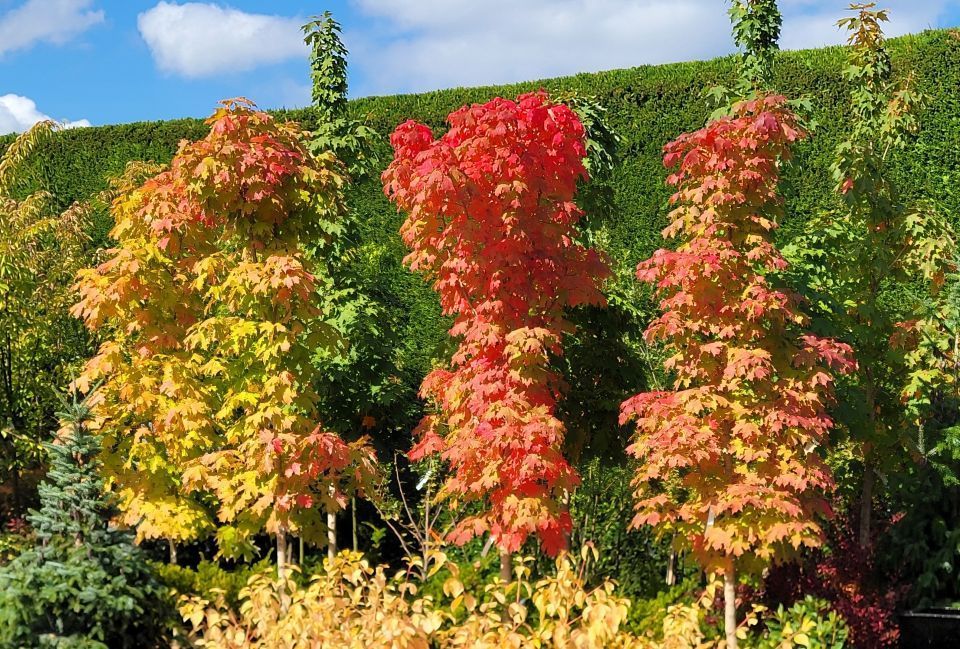
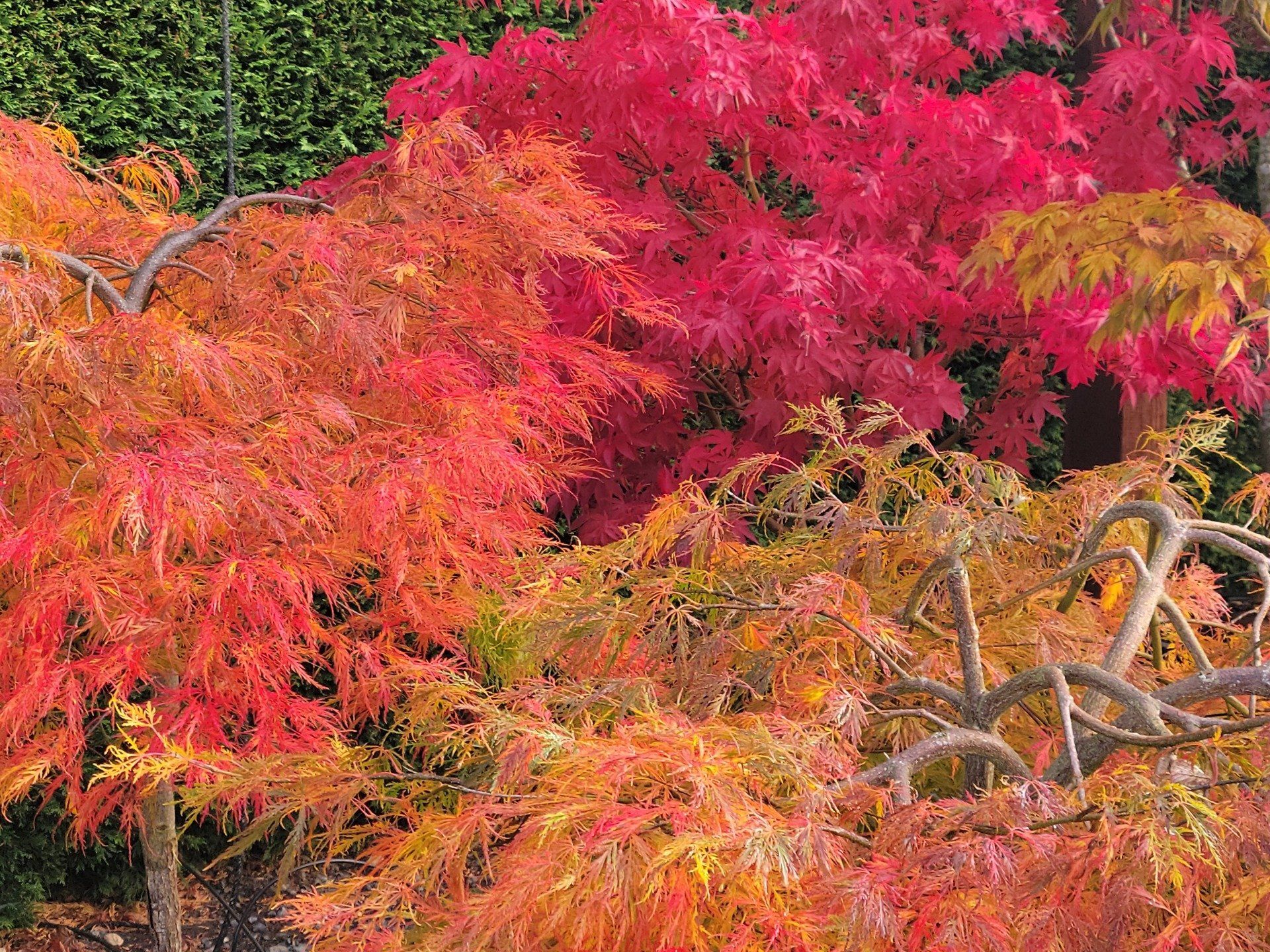
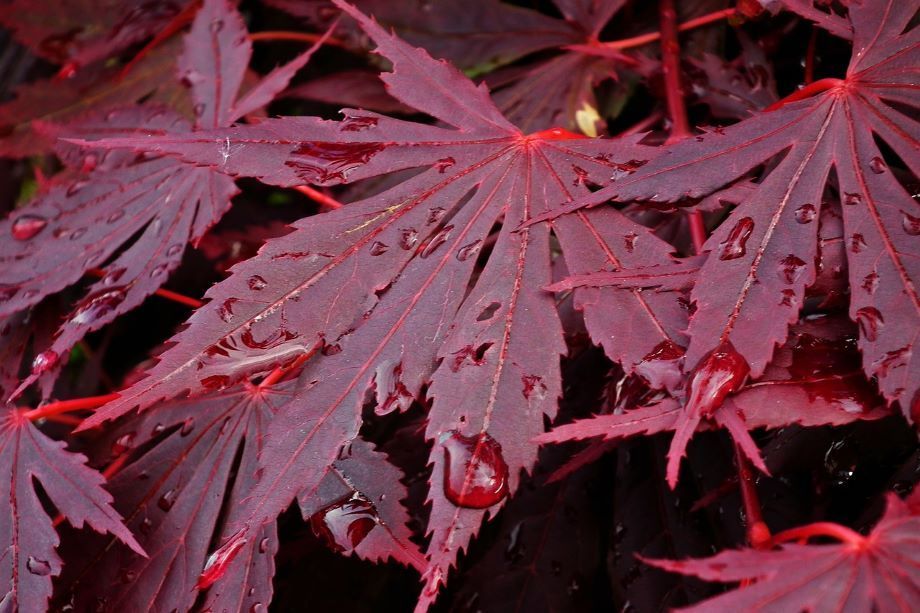
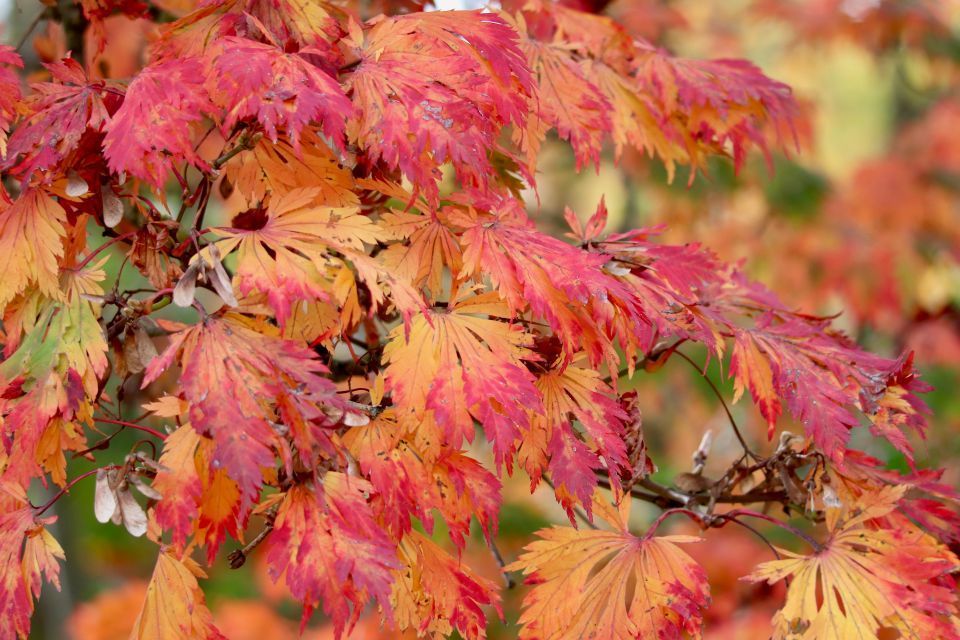
Fall has arrived, and the Japanese maples in our landscapes are
beginning to put on their spectacular seasonal display. Cooler
nights and shorter days bring out brilliant shades of gold,
orange, and scarlet red, transforming these beautiful trees into
living works of art. Western Washington’s climate is perfectly
suited to Japanese maples, thanks in part to the moderating
influence of the Pacific Ocean. With centuries of cultivation
behind them, Japanese maples offer an incredible diversity of
shapes and sizes—from small, graceful weeping varieties to larger,
vase-shaped trees that can reach 25 to 30 feet tall. There’s
no better time to experience these Pacific Northwest garden
treasures than in the fall, when they’re at their most vibrant. Come
visit the nursery and explore our wide selection of Japanese
maples—we’d love to help you find the
perfect one for your landscape!
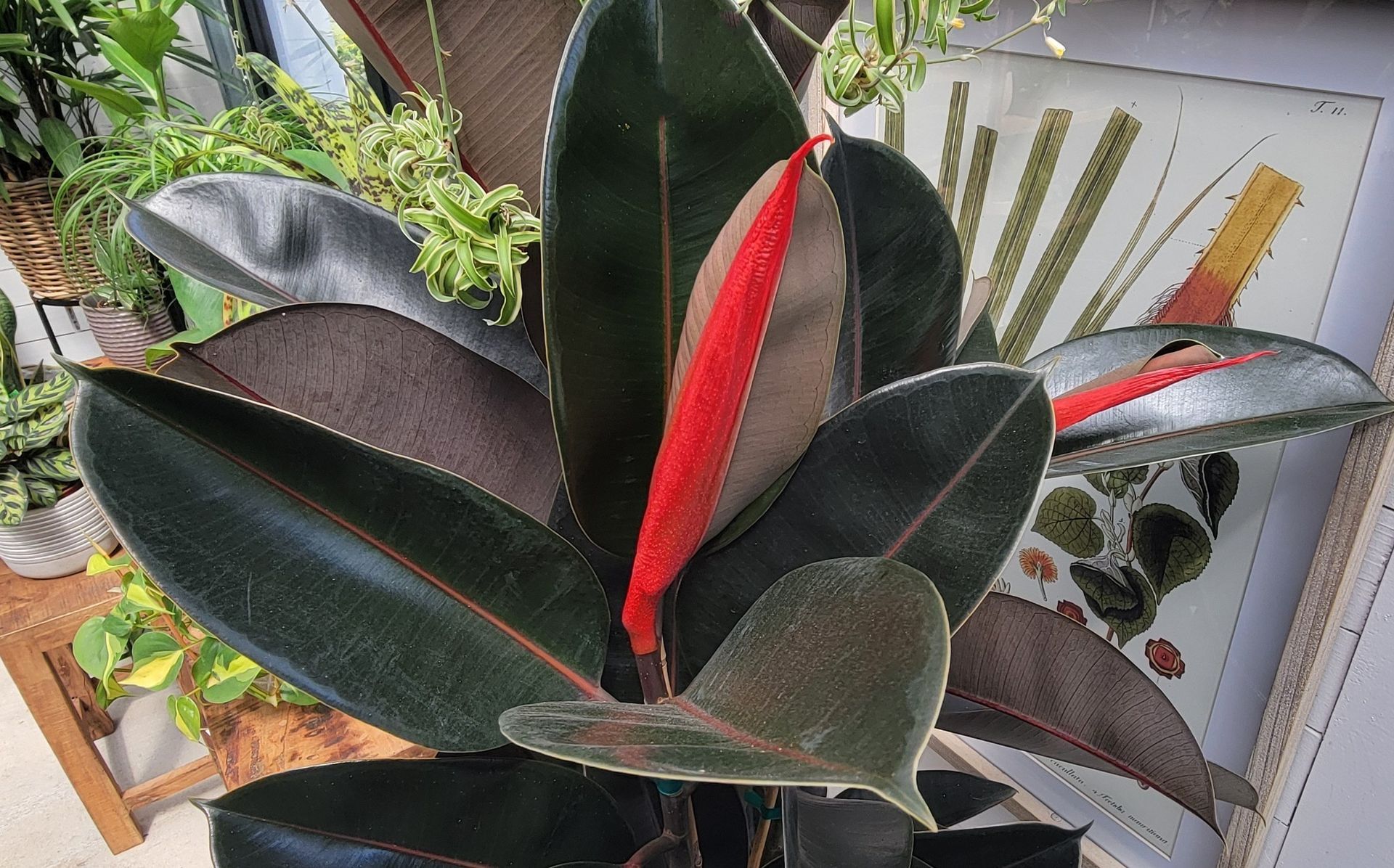
Moody Fall Foliage
As the days grow shorter, fall brings deeper, moodier colors to the
garden—and those rich tones can be just as beautiful indoors.
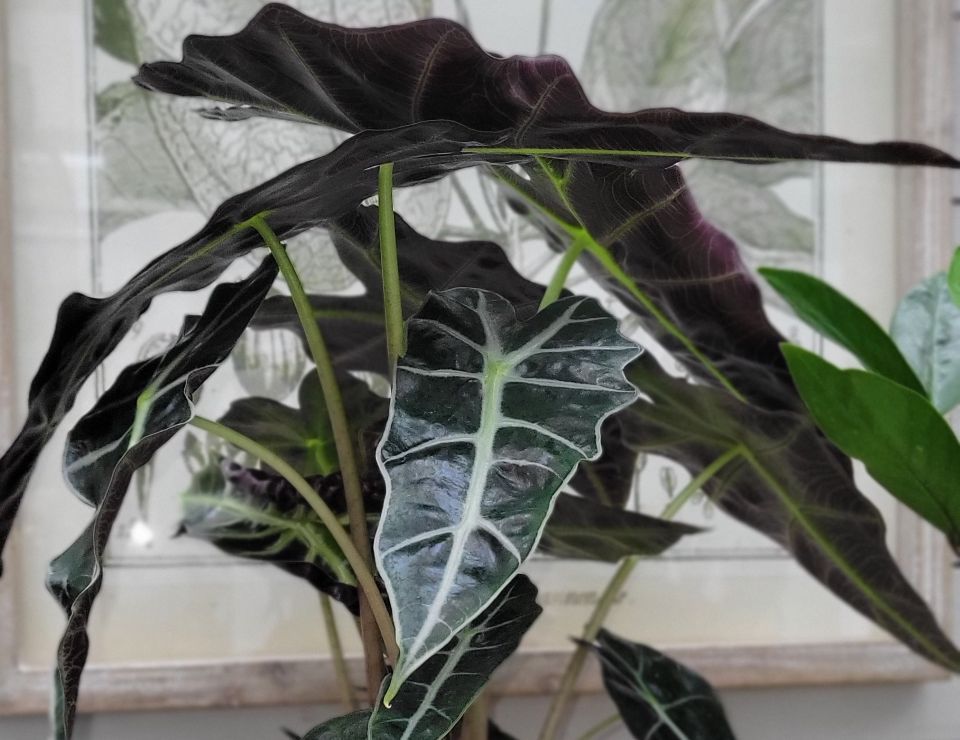
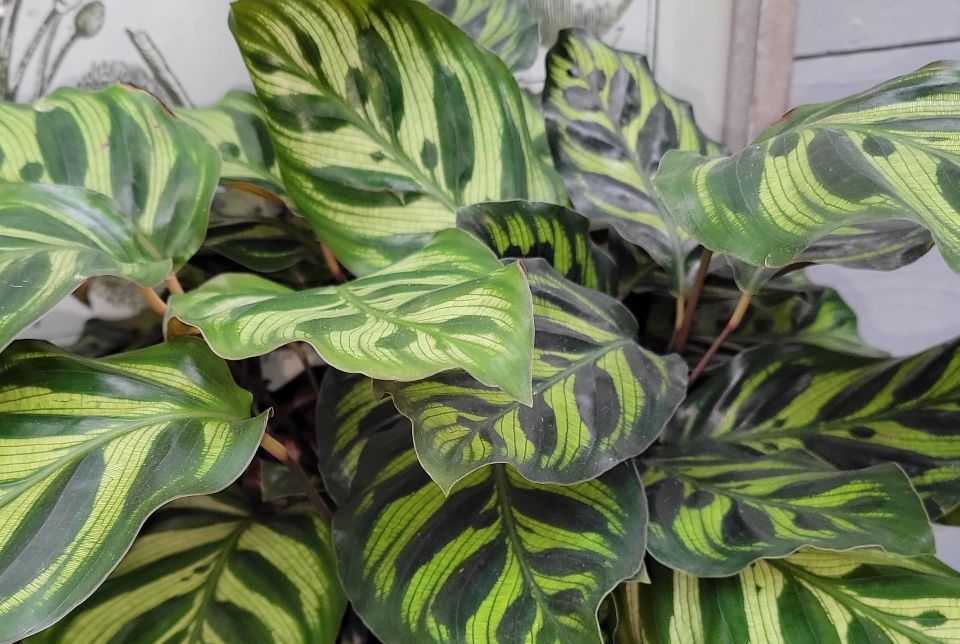
Houseplants like Rex Begonias, Alocasia 'Polly', Calatheas, Ficus
elastica 'Burgundy', and Black ZZ Plants offer striking shades
of burgundy, plum, deep green, and nearly-black foliage. Most
prefer indirect light and benefit from careful watering as growth
slows in the cooler, darker months, so allow the soil to dry appropriately
between waterings and avoid overwatering. Group these dramatic plants
with warm-toned pots, woven baskets, wood, pumpkins, or dried
branches to create a cozy autumn display. Fall isn't only about bright
oranges and yellows—the deep greens, burgundies, purples, and
shadowy tones of foliage can bring a warm, sophisticated
touch of the season indoors.
October To-Do List
Weed early and often. Get to the weeds
before they produce seeds.
The seedlings are re-
emerging; stay on top
of removing them.
Put the Garden to bed. It's time to tidy
up the garden. Trim back herbaceous
plants that have gone dormant, such
as Hostas, Ferns, and
hardy Geraniums.
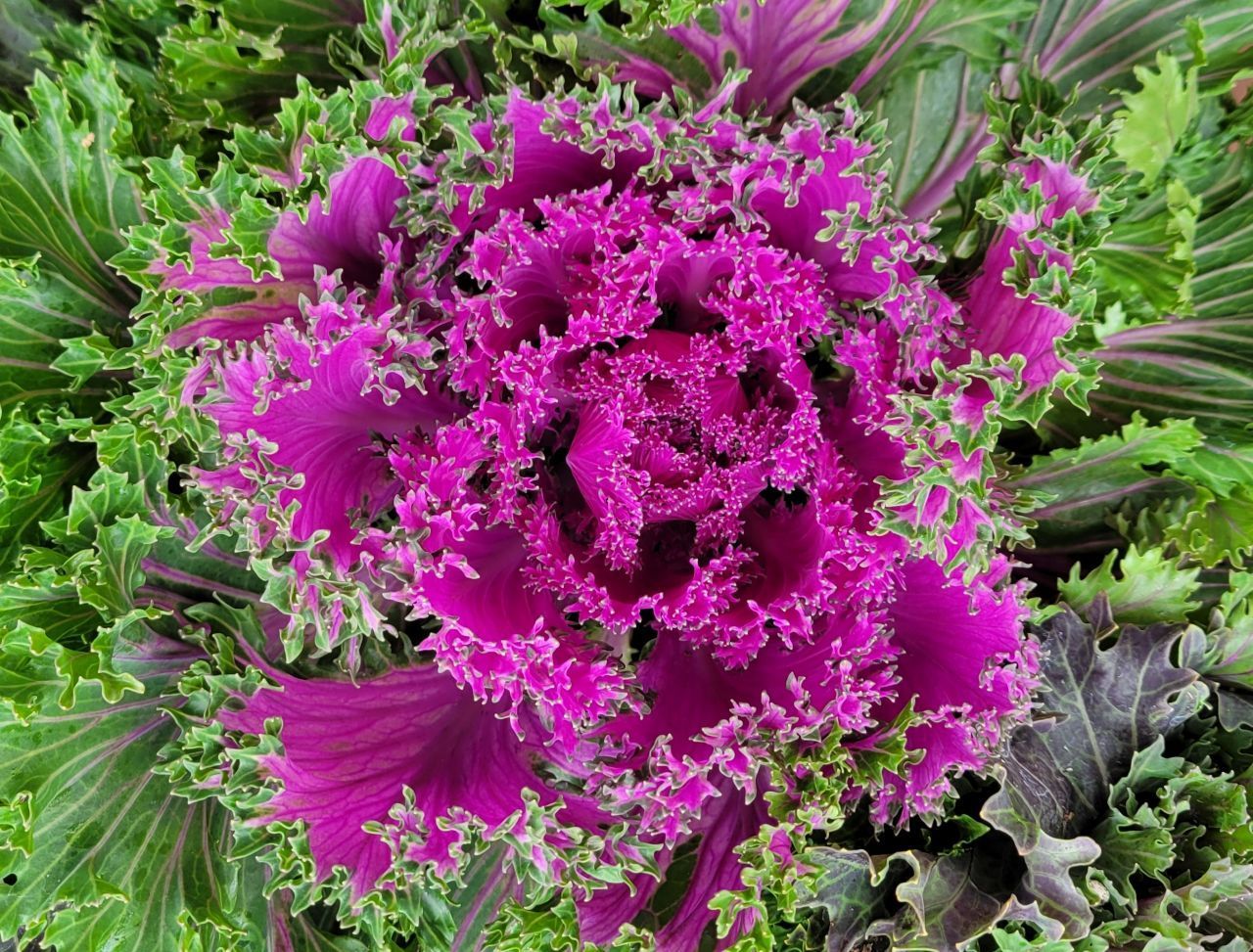
Refresh containers and borders with
fall color such as pansies, mums
and ornamental kale.
Lift and store tender summer-blooming
bulbs such as dahlias and cannas and
provide protective storage during the
winter freeze. Storing in a cool
shed or garage is ideal.
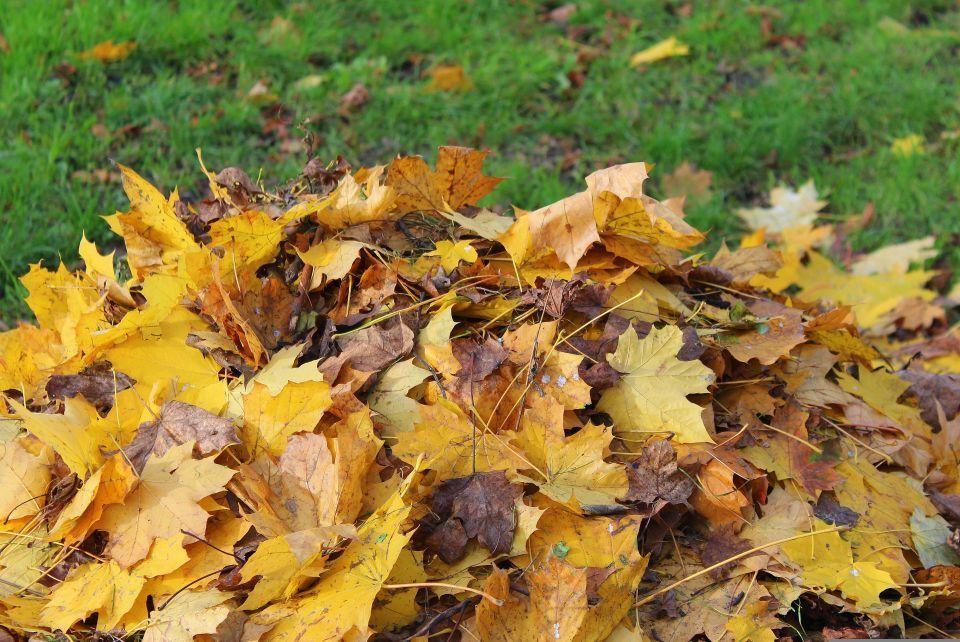
Rake up leaves and mix your compost
bin for next Spring's "black gold".
Feed your lawn with a light application
of fertilizer in early fall. Patch
thin areas by reseeding.
Fall is a great time for planting trees and
shrubs. The cooler weather allows them
to become well established and create
better root development before
the cold weather arrives.
We recommend staying on top
of slug and snail control
with environmentally
and pet-friendly
Sluggo
Mulch your garden beds with high-quality
Gardner & Bloome Soil Building
Conditioner, which will also
increase your soil's fertility
with composted plant
material and manure.